
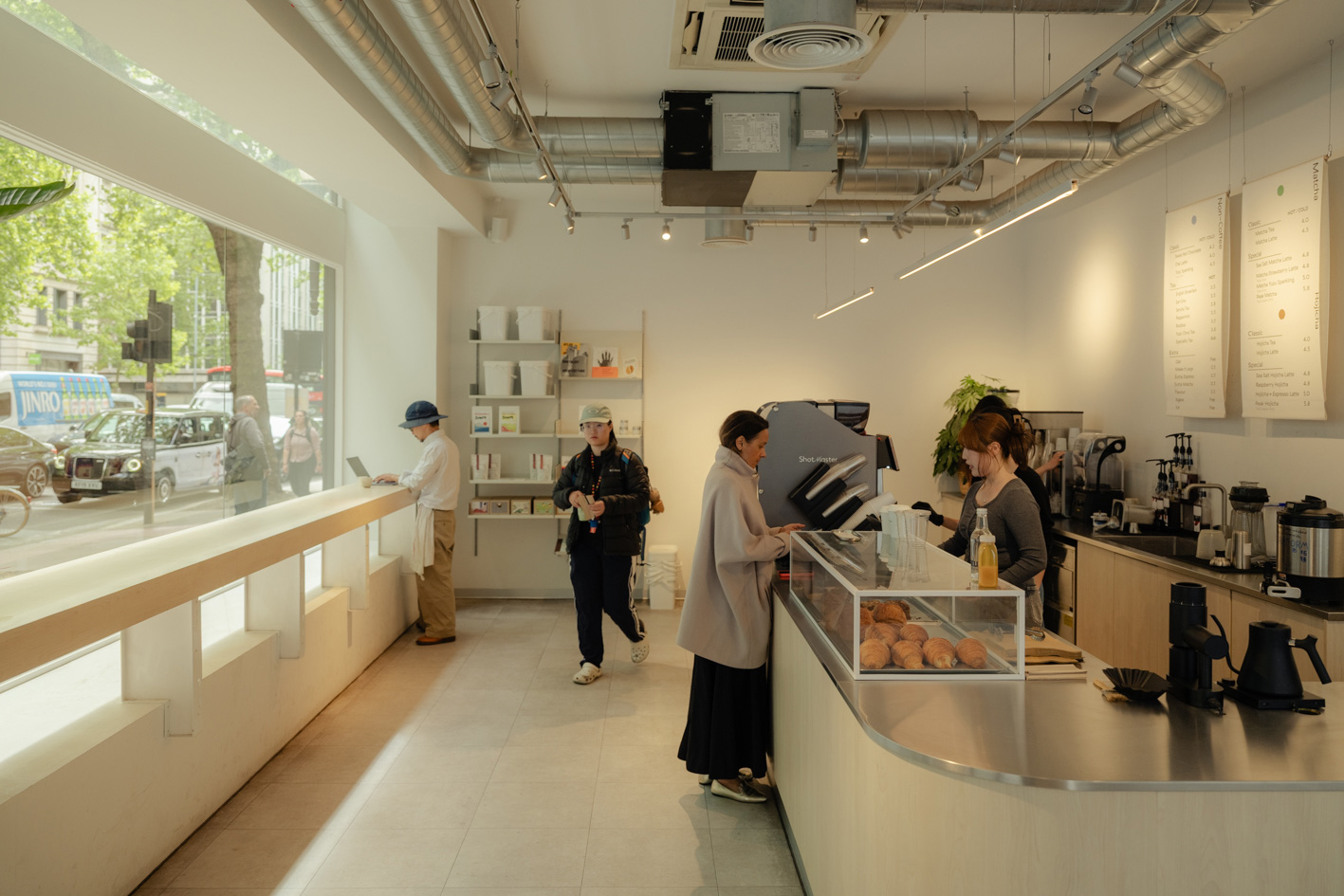
Joseph Lee is the founder of Sontag, a coffee shop that's a Space House favourite a few doors along Kingsway. He spoke to us about how Japanese drinks are changing London’s coffee culture.
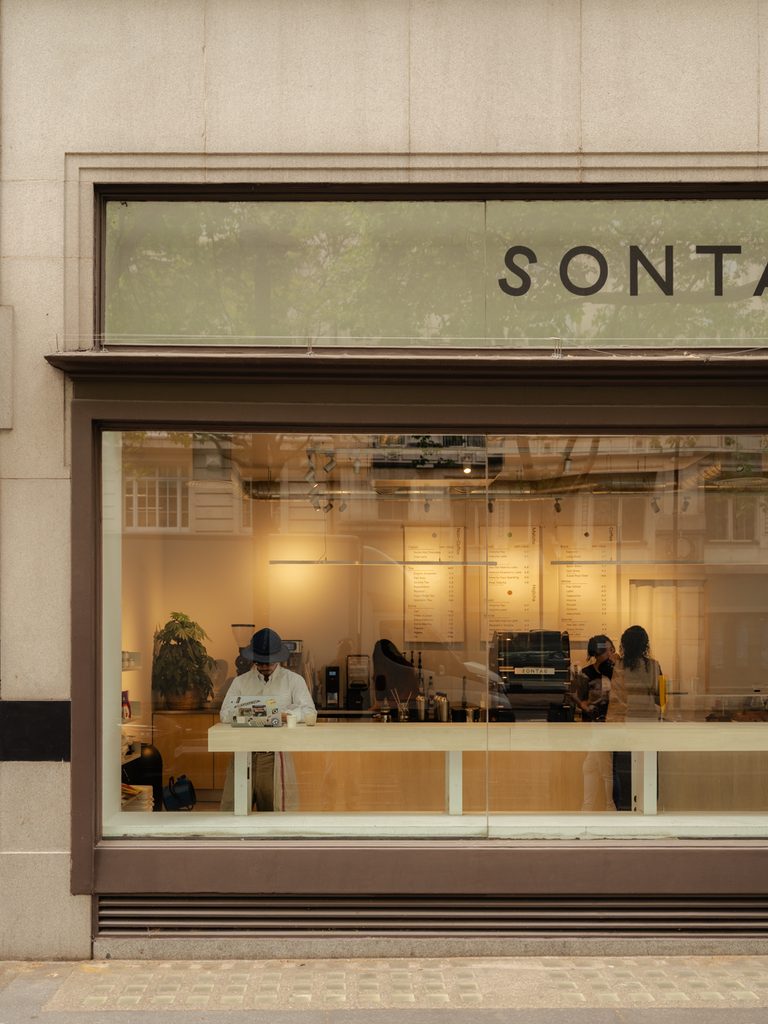
September’s here. What’s on your mind as the new season starts?
Joseph: September’s always dynamic. People are back from summer holidays, students are arriving, and there’s this real energy shift in Kingsway. You feel it in the shop as you see new faces, different routines, a sense of momentum.
You’re surrounded by LSE and King’s students. How important are they to Sontag?
They bring energy. It’s so striking to see people who are young, ambitious, curious and it really shapes the vibe of the café. Having customers from so many different backgrounds, especially students, keeps things lively and reminds us we’re part of something bigger than just serving coffee.
Why Kingsway? It’s not the obvious choice for an independent café.
For me, Kingsway is personal. I studied at King’s for my undergrad, did my first internship here, worked my first professional job nearby… and now I’ve opened Sontag on the same street. It’s full circle. But beyond nostalgia, Kingsway is fascinating. It’s a rare mix; high street energy meets hidden creativity. You’ve got law firms, tech companies, finance, galleries, and universities all packed into one area. It makes the neighbourhood feel alive and unpredictable.
Independent cafés on a street full of Starbucks, Costa, and Nero can’t be easy.
It’s competitive, no doubt. On this one street, you’ve got most of the big chains. As an independent, you don’t have their marketing budgets or brand recognition, so trust-building takes time. But that’s also the beauty of it. When someone chooses us, they’re choosing quality, craft, and a personal connection. If we can make it here, in one of London’s most competitive coffee streets, we can make it anywhere!
What’s surprised you most in your first year?
The relationships. Genuinely. I didn’t expect to form such close bonds with customers. Some people come in every day it’s part of their ritual. And over time, you stop just talking about coffee and start talking about life: family, travel, football, even climbing. Those small, human moments are what make it worthwhile.
You’ve spoken to me in the past about hospitality and creativity in a really serious way. Where does that come from?
I worked in my uncle’s restaurant in Switzerland as a teenager, and that early hospitality experience stayed with me. It teaches you how to greet people, how to listen, how to create a welcoming space. For me, Sontag is a creative project as much as it’s a business. It’s about making people feel something when they walk in. I think it’s a sense of calm, connection, and care.
Matcha is a big part of your offering. London seems to have become obsessed with it. Why?
Matcha’s fascinating. Ten years ago, you’d only find it in Chinatown; now it’s everywhere. Social media helped, sure, but I think it’s also about people rethinking caffeine. A flat white hits you hard, but matcha gives you a gentler, sustained energy. Plus, that green colour is beautiful. What people perhaps don’t know is the cultural story behind it. In Japan, it’s a ceremonial, not an everyday drink. We try to encourage people to try hojicha which has a lovely toasted, roasted green tea taste and is a less rich alternative to matcha.
Finally, if you could describe Sontag in one sentence?
A neighbourhood café where craft, creativity, and community meet.
